
Top Waterproofing Products for Effective Moisture Protection
Explore the leading waterproofing solutions designed to safeguard your property from water damage and ensure durability.
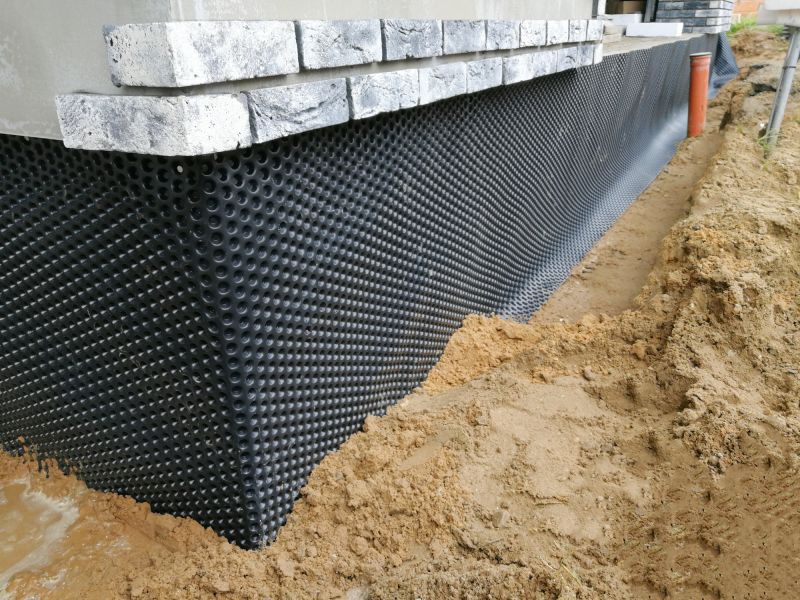 In Vienna, VA, protecting structures from water intrusion is a crucial consideration for homeowners, contractors, and property managers alike. Waterproofing products serve as essential tools to prevent water damage, mold growth, and structural deterioration. These products are designed to create a barrier against moisture infiltration, whether applied to foundations, basements, roofs, or other vulnerable areas. Selecting the right waterproofing solution involves understanding the specific needs of your project, the environment, and the type of surface involved.
Top Overall Option
Liquid Waterproofing Membrane
A liquid waterproofing membrane offers a versatile and seamless barrier suitable for various surfaces such as foundations, roofs, and basements. It can be applied with a brush, roller, or spray, allowing for easy customization to fit complex geometries and detailed areas. This type of product is known for its flexibility, adhesion, and ability to accommodate slight surface movements, making it a popular choice for long-term protection. When properly applied, liquid membranes can provide a durable, waterproof layer that resists cracking and deterioration over time.
Types of Products For Waterproofings
Bituminous Coatings
Bituminous coatings are thick, tar-like substances used to waterproof roofs, foundations, and below-grade walls, offering a strong barrier against moisture.
Rubberized Membranes
Flexible rubberized membranes are used in roofing and pond linings, providing resilience and waterproofing in dynamic environments.
Polyurethane Sealants
Polyurethane sealants are versatile, elastic compounds suitable for sealing joints, cracks, and gaps in various structures.
Liquid Rubber Coatings
These coatings form seamless, waterproof layers ideal for roofs, basements, and exterior walls.
Cementitious Waterproofing
Cement-based products are commonly used in bathrooms, tunnels, and retaining walls to provide durable waterproof barriers.
Bitumen Sheets
Self-adhesive or torch-applied bitumen sheets are used for waterproofing foundations and roofs.
Waterproofing Tapes
Specialized tapes are used for quick repairs or sealing joints and seams in various waterproofing applications.
Crystalline Waterproofing
This treatment involves chemical admixtures that penetrate concrete to block pores and prevent water ingress.
Acrylic Waterproof Coatings
Acrylic-based coatings are suitable for exterior surfaces, providing UV resistance and flexibility.
Polymer Modified Bitumen
Enhanced bitumen formulations offer increased elasticity and durability for roofing and foundation waterproofing.
Spray-On Waterproofing
Spray-applied products provide fast, uniform coverage for large or complex surfaces.
Hydrophobic Sealants
Sealants that repel water, ideal for masonry, stone, and concrete surfaces.
Popular Choices
Widely used for their ease of application and seamless protection across various surfaces.
Commonly selected for their proven track record in roofing and foundation waterproofing.
Favored for their flexibility and durability in dynamic environments.
Popular for sealing joints and cracks in both residential and commercial projects.
A go-to option for bathrooms, tunnels, and structural walls requiring robust waterproof barriers.
Convenient for quick fixes and sealing seams in various waterproofing applications.
Chosen for its ability to chemically block water ingress within concrete structures.
Valued for their UV resistance and adaptability for exterior surfaces.
Preferred for large-scale projects requiring rapid, uniform coverage.
Effective in repelling water on masonry and concrete surfaces.
Waterproofing options range from liquid coatings and sealants to membranes and tapes, each suited for different applications. Liquid sealants can be brushed or sprayed onto surfaces to provide a seamless barrier, while sheet membranes are often used for foundation walls and below-grade applications. Tapes and patches are useful for quick fixes or repairs, offering flexibility and ease of application. Proper preparation of surfaces, environmental conditions during application, and adherence to manufacturer instructions are vital to ensure optimal performance.
Durability and longevity are key factors to consider when choosing waterproofing products. Some solutions are designed to withstand extreme weather conditions, UV exposure, and ground movement, making them suitable for long-term protection. Additionally, ease of installation and compatibility with existing materials can influence the overall effectiveness and cost-efficiency of the waterproofing system. Regular inspection and maintenance of waterproofed areas can help sustain their protective qualities over time.
In Vienna, VA, where seasonal variations and humidity levels fluctuate, selecting the right waterproofing product tailored to local conditions is essential. Consulting with professionals or experienced suppliers can provide valuable insights into the most suitable options for your specific needs, whether for residential, commercial, or industrial projects. Proper waterproofing not only safeguards property value but also enhances the safety and comfort of occupants by preventing water-related issues.
Key Buying Considerations
- Identify the specific area or surface to be waterproofed, such as roof, foundation, or basement.
- Determine whether a liquid, membrane, or sealant product best suits your project needs.
- Consider the environmental conditions, including temperature fluctuations and exposure to UV rays.
- Check the compatibility of the waterproofing product with existing materials and surfaces.
- Assess the ease of application and whether professional installation is recommended.
- Review the product’s durability and expected lifespan under local climate conditions.
- Evaluate the flexibility of the product to accommodate structural movement or settling.
- Ensure proper surface preparation to maximize adhesion and effectiveness.
- Look for products that provide seamless coverage to minimize potential leak points.
- Consider the drying or curing time for the product to plan your project schedule.
- Verify if the product is suitable for below-grade or above-grade applications.
- Review safety data and handling instructions, especially for chemical-based products.
- Estimate the overall cost, including materials, labor, and potential maintenance.
- Check for warranty or guarantee options offered by the manufacturer or supplier.
- Consult with professionals or experienced suppliers for tailored recommendations.